
By Mark Kandkhorov, Kandkhorov & Associates, PLLC
New York City’s proposed Delivery Protection Act has put a spotlight on something I see constantly in my practice: the gap between how a delivery company is structured on paper and who actually bears the financial risk when someone gets hurt.
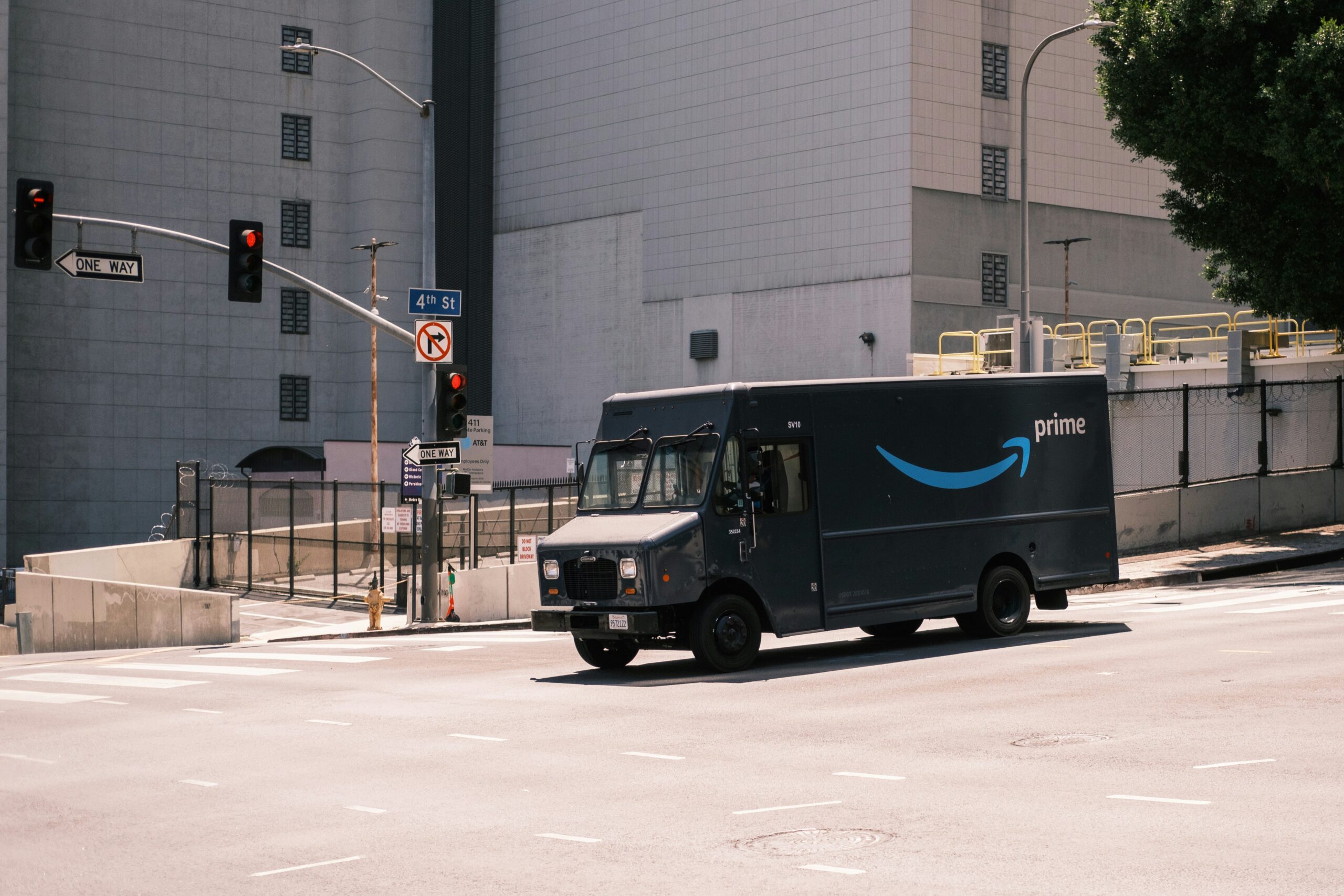
I was recently quoted in Bloomberg discussing the insurance side of this fight. The short version: most Amazon delivery partners — the independent businesses that operate under Amazon’s branding — carry liability coverage around $1 million. That’s generally enough for a routine crash with minor injuries and property damage. UPS, by contrast, employs its drivers directly and typically carries closer to $5 million in coverage, because the company itself is directly on the hook and has far more assets to protect.
That gap matters more than it might seem. When a company relies on a web of independent contractors rather than direct employees, injury victims can end up pursuing claims against a subcontractor whose insurance simply wasn’t built for a serious injury case. The Delivery Protection Act, which would push companies like Amazon toward direct employment of last-mile drivers, would likely close some of that gap — but it would also raise costs, which get passed on in one form or another.
For anyone hurt in a crash involving a delivery vehicle, this is exactly the kind of structural question that determines whether a claim gets fully compensated or runs into a policy limit. It’s a large part of why we dig into the corporate and insurance structure behind a delivery company early in any case we take on.
Read the full Bloomberg piece here.
If you or someone you know has been injured in an accident involving an Amazon delivery vehicle, our firm can help you understand your legal options.